
When it comes to preparedness information, far too many so-called survival experts spend their time obsessing over events that have roughly a one-in-a-billion chance of actually touching your life.
Asteroids. Grid-down EMP collapses. Zombie hordes. That stuff gets clicks. It does not get you through the next six months when your transmission blows and your employer announces layoffs in the same week.
So what type of events should we be planning for?
The harsh truth is that your SHTF event has probably already started — you just haven’t recognized it yet.
It’s not that massive, nation-level catastrophes never happen. They do. But the big events rarely arrive with a special news bulletin the way disaster movies like to pretend. Just look at Hurricane Katrina. Just look at Venezuela’s economic collapse. Neither one showed up overnight. Both unfolded over weeks, months, even years — gradual at first, then all at once. The people who got wrecked were the ones who were waiting for a dramatic announcement before they started taking things seriously.
What’s your SHTF Plan? Are you prepping for Personal and Localized Disasters?
Your personal SHTF event will almost certainly follow the same pattern. The slide starts long before the crisis point. The people who survive it well are the ones who saw it coming and had a plan while everyone else was still assuming things would sort themselves out.
Let’s be straight about something: a job loss is a SHTF event. A medical emergency that wipes out your savings is a SHTF event. A divorce, a house fire, a freak ice storm that knocks out power for two weeks — every single one of those qualifies. They won’t make for a dramatic TV show. But they will absolutely wreck an unprepared household.
According to nearly every major financial study published in recent years, 40% of Americans cannot cover a $400 emergency expense without going into debt or selling something. Push that number to $1,000 and only 39% of Americans can handle it. That means the majority of people in this country are one busted water heater away from a genuine crisis.
Think about what that means in practice. For millions of families, a broken refrigerator is their personal SHTF. A trip to the ER without insurance is their personal SHTF. Three weeks of unemployment before a new job comes through is their personal SHTF. These aren’t hypothetical edge cases — they’re Tuesday.
The prepper community loves to romanticize the big collapse. But if you can’t survive Tuesday, you’re not going to survive the apocalypse.
How Real Disasters Actually Unfold: Two Case Studies Worth Studying
Hurricane Katrina
Katrina didn’t appear out of nowhere. It began as one more tropical storm in a season full of them — most of which peter out before making landfall as anything serious. As this particular storm grew and moved into the Gulf, the track was visible for days. Anyone watching the forecast had time to act.
The catastrophe took weeks to fully unfold. The levee failures, the flooding, the breakdown of local government response — none of it happened in a single moment. What happened was a slow-motion disaster that punished the people who waited for official permission to take it seriously and rewarded the ones who trusted their own read on the situation and moved early.
The lesson isn’t that you need to be a meteorologist. The lesson is that waiting for someone else to tell you when to act is a losing strategy.
Venezuela’s Economic Collapse
As late as 2013, a surprising number of commentators in the Western press were still praising Venezuela as a functioning model of socialist economics. Anyone with a basic grasp of history and a willingness to look at the actual numbers had already reached a different conclusion years earlier.
The collapse didn’t arrive on a specific date. Martial law was never officially declared — it was gradually imposed through a series of enabling acts and policing actions. The economy didn’t crash in a day; it slid into ruin steadily, daily, and then faster and faster until basic goods vanished from store shelves entirely. The people who saw it coming had either left the country or were quietly building stockpiles. The people who were waiting for an obvious signal had nothing.
COVID-19 and the Supply Chain Collapse (2020)
Here’s the one that hit closest to home for almost the entire world — and the one that we had been predicting in some form for years.
The warnings were there. The WHO announced an unusual pneumonia cluster out of Wuhan on January 4, 2020. By the time store shelves started emptying in March, the supply chain disruption had been building for weeks. The people who had food, medicine, and basic supplies on hand went through it without panic. The people who hadn’t treated “stock up on basics” as a real priority found themselves driving between stores looking for toilet paper.
That’s not a joke. Toilet paper. One of the most basic, non-perishable, trivially stockpileable items in any household became a crisis commodity — because decades of “just-in-time” supply chains and people’s panic had stripped every buffer out of the system. Grocery stores typically carry only 72 hours of inventory. When a panic hit both demand and supply simultaneously, shelves didn’t just go thin — they went empty.
The prepared households didn’t need to panic-buy. They had what they needed already. That’s the entire point.
The lesson from COVID isn’t just “stock up on hand sanitizer.” It’s that the supply chain you depend on has no cushion, no redundancy, and no chance to recover when things get chaotic.
Hurricane Helene (2024)
Most people think of hurricanes as a coastal problem. Helene ended that assumption permanently.
Helene made landfall in Florida’s Gulf Coast on September 26, 2024, then drove hundreds of miles inland and devastated western North Carolina — Asheville, mountain communities, places that had never seriously considered themselves in a hurricane’s path. The storm dumped what meteorologists estimated at 42 trillion gallons of rain. For reference, Lake Tahoe holds about 37 trillion gallons. The death toll exceeded 230 people, making it the deadliest hurricane to hit the US mainland since Katrina. Damage estimates reached $225–$250 billion.
The warnings were there too. The National Weather Service issued dire flood warnings and flash flood emergencies all night. Several states did not request pre-landfall emergency declarations, which means they weren’t ready. Communities that had done the work — annual exercises, pre-positioned resources, established relationships between agencies — came through better. Communities that assumed they weren’t the kind of place a disaster like this happens got blindsided.
ATMs crashed. Cell towers went down. Roads washed out and disappeared entirely. Asheville lost running water for weeks. The people who had cash on hand, emergency comms, water stored, and a plan for being cut off from infrastructure were in a hugely different situation than the ones who assumed the grid would hold.
When it comes to building a SHTF Plan, real-world historical disasters are your best teachers — not Hollywood scripts. And the most important lesson every single one of them teaches is the same: YOU NEED TO BE READY BEFORE THE CRISIS. The people who act on it early are the ones who make it through.
Your SHTF Plan Has to Start with Financial Preparedness
This is the section that drives away readers who came here for gear reviews. That’s their loss.
If you are not financially prepared, you are not prepared — period. The odds that you will face a personal financial crisis in the next five years are dramatically higher than the odds that you will need to fight off raiders with your AR-15. Both things are worth preparing for, but only one of them should keep you up at night if you haven’t addressed it yet.
How long can you actually last without income?
That’s the first question your SHTF plan needs to answer. Not “how many cans of beans do I have” — though that matters too. The first question is: if your paycheck stops tomorrow, when does your family start to break down?
Most financial advisors recommend a minimum of 3–6 months of living expenses in liquid emergency savings. For people in volatile industries — oil, construction, freelance, retail, anything seasonal — 12 months is a smarter target. If you don’t have either of those right now, that gap is your most urgent preparedness problem.
Start taking a real personal inventory. What do you have? How long will it last? How much cash do you have in reserve that doesn’t require going into debt to access? Be honest. Most people dramatically overestimate their buffer until they actually sit down and do the math.
What You Can Do Today to Close the Gap
Getting financially prepared doesn’t require a radical lifestyle overhaul all at once. It requires a series of small, boring, unglamorous decisions made consistently over time. Here’s where to start:
Cut what you don’t need. Audit your subscriptions. Downgrade your cable or cell plan. Those $5-a-day coffee runs add up to $1,800 a year — and that’s a serious emergency fund in 12 months of discipline.
Generate additional income now, not later. Don’t wait for a crisis to start thinking about this. What skills do you have that someone will pay for? Handyman work, tutoring, mechanical repairs, sewing, IT help, writing — chances are you have at least one marketable skill that could generate $200–$500 a month on the side. That’s not retirement money, but it’s a real cushion, and it builds a fallback option that exists before you desperately need it.
Sell what you don’t use. A serious garage sale or a few weeks on Facebook Marketplace can generate hundreds or even thousands of dollars sitting in your garage, closet, and storage unit. Old tools. Exercise equipment. Electronics. If you haven’t touched it in a year, it’s dead capital. Convert it.
Build your physical stockpile alongside your financial one. A well-stocked pantry is preparedness. Three months of the staple foods your family actually eats, bought gradually over time at regular prices, is a hedge against both a personal financial crisis and a supply chain disruption. You don’t need to buy it all at once — just buy a little more than you need every trip. Check out our guide on How To Prepare, Save Money & Guarantee You Have Food When the SHTF for a practical system.
Get Out of Debt — This Is Non-Negotiable
Debt is the single biggest vulnerability in most American households. It’s not exciting to talk about. It doesn’t make for a dramatic preparedness article. But carrying high-interest debt while trying to build an emergency fund is like trying to fill a bucket with a hole in the bottom.
Every dollar you’re paying in interest is a dollar you can’t put toward food storage, emergency equipment, or a cash reserve. Every monthly debt obligation you carry is a fixed cost that doesn’t disappear when your income drops — it accelerates the timeline to crisis.
Living debt-free isn’t just about peace of mind, though that’s real. It’s about having operational flexibility when things go sideways. A person with no debt and two months of savings can weather a layoff. A person with $30,000 in consumer debt and zero savings can’t.
Start here:
The Non-Financial Side of Personal SHTF Preparedness
Financial security is the foundation, but it’s not the whole structure. Personal SHTF events come in more flavors than job loss and medical bills. Here’s what most people aren’t prepared for:
Power Outages That Last More Than 72 Hours
Most people have enough food and water to get through a day or two without power. Almost nobody is ready for a two-week outage. Ice storms, hurricanes, and grid failures regularly knock out power for extended periods. A generator, a good supply of fuel, and knowledge of how to cook and purify water without electricity are all baseline capabilities worth developing. Check out our guide to Top Solar Generators, Power Packs, and Emergency Solar Solutions for options that don’t require fuel storage.
Medical Emergencies Without Easy Access to Help
A family member with a serious injury or medical emergency during a winter storm, a power outage, or in a rural area is a SHTF scenario that happens every single day in this country. Basic first aid training — real training, not a 20-minute YouTube video — is one of the most practical investments you can make. Know where your nearest urgent care and ER are. Know which hospitals in your area have trauma capabilities. Have a basic trauma kit accessible, not buried in a closet.
Home or Vehicle Failure at the Worst Possible Time
A broken furnace in January. A blown tire on a dark highway. A car that won’t start when you’re already running late. These aren’t disasters in the movie sense, but they’re exactly the kind of acute stress events that separate prepared people from unprepared ones. A AAA membership, a solid emergency vehicle kit, basic home repair skills, and enough cash in reserve to handle an unexpected repair without going into debt — that combination handles 80% of the everyday SHTF events most people will ever face.
The SHTF Event You Don’t See Coming at All
One of the most powerful real-world examples of personal SHTF planning came from a comment on this very article. A reader named Cathy shared the story of her son — a serious prepper who had spent two years designing and building what amounted to a fortress of a home, with double walls, alternative power, water systems, and a safe room. He had prepared for every scenario.
Then a drunk driver crossed the center line and killed him.
His wife was left not knowing the bank account passwords. Not knowing where the lock box key was. Not knowing what was owed on what card. Not knowing his burial wishes.
He had prepared for every scenario except the one that actually happened.
The lesson is uncomfortable, but it’s essential: preparedness isn’t just gear and food storage. It includes making sure your spouse knows where every account is, what every password is, what your wishes are if something happens to you, and that your insurance coverage is actually adequate for real-world catastrophes rather than just fender-benders.
Run a life inventory. Write things down. Tell someone where the documents are.
Localized Disasters: The Middle Ground Between Personal and National SHTF
Between “I lost my job” and “civilization collapsed” lies a wide range of localized disasters that are far more common than most preppers plan for. These include:
Regional natural disasters — Earthquakes, tornadoes, wildfires, flooding. These events can displace thousands of people, cut off supply chains for days or weeks, and overwhelm local emergency services. Having a bug-out plan that covers a 72-hour evacuation to a secondary location isn’t paranoid — it’s basic.
Infrastructure failures — Water main breaks, fuel shortages, internet outages that affect remote workers, grid failures. Any of these can turn from an inconvenience into a genuine crisis within 48–72 hours if you’re not prepared. The average grocery store carries roughly 72 hours of inventory. Once a regional panic starts, shelves go empty fast.
Civil unrest and crime spikes — Periods of economic stress reliably produce upticks in property crime, burglary, and civil disorder. This isn’t a political statement — it’s documented history. Situational awareness, home security basics, and knowing how to protect yourself and your family are legitimate preparedness concerns.
Communication blackouts — When cell towers go down during a major weather event, most people have no way to reach family members or get reliable information. A basic emergency communication plan — knowing where to meet, how to get information off-grid, having a backup radio — costs almost nothing to set up and can make an enormous difference when you actually need it.
How to Actually Build Your SHTF Plan
Thinking about preparedness and having a real plan are two very different things. Here’s a structured approach:
Step 1: Perform a Realistic Threat Assessment
Don’t plan for the apocalypse first. Plan for the most statistically likely threats you’ll actually face based on where you live, how you earn your income, your health situation, and your family’s specific vulnerabilities. Our Threat Assessment Guide walks you through this systematically.
Step 2: Know What You Stand to Lose
Most people underestimate what actually disappears during a crisis — not just food and money, but access to services, communication, transportation, medical care, and social support networks. Understanding What You Could Lose During a Disaster reframes your preparedness priorities fast.
Step 3: Do a SWOT Analysis on Your Own Preparedness
You can’t fix what you haven’t honestly assessed. A Survival SWOT Analysis — Strengths, Weaknesses, Opportunities, Threats — forces you to look at your situation clearly instead of optimistically. Most people who do this discover significant gaps they hadn’t considered.
Step 4: Build Your Foundation Using a Proven System
If you’re new to this, or even if you’ve been at it for years and want a reset, the Prepper 101 Guide to Preparedness is the place to start. It covers the practical hierarchy of needs in a real emergency and gives you a build order that actually makes sense.
Step 5: Practice Before You Need To
Gear you’ve never used will fail you. Skills you’ve never practiced will let you down when the pressure is on. The single best way to identify the gaps in your preparedness plan is to go camping — genuinely camping, not glamping. Spending 48 hours without running water, grid power, or on-demand food delivery reveals your actual capability level versus your imagined one. Every serious prepper should do it at least once a year.
The Mindset Shift That Makes Everything Else Work
Preparedness is ultimately a mindset before it’s a gear list or a bank account balance.
The people who make it through personal SHTF events — job losses, medical emergencies, natural disasters, accidents — share a common trait. They had already mentally accepted that bad things happen, that they can happen to anyone, and that the only sensible response to that reality is preparation rather than denial.
That’s not pessimism. That’s realism with a plan attached.
The goal isn’t to spend every day anxious about what might go wrong. The goal is to get prepared enough that when something does go wrong — and something will — you’re in a position to handle it without your entire life collapsing around it. Financial margin. Physical supplies. Practical skills. A plan your whole family knows. That combination doesn’t prevent disasters from happening. It prevents disasters from becoming catastrophes.
Don’t Wait Until It’s Already Happening
The pattern is always the same. People get interested in preparedness right after a crisis hits — after the hurricane, after the layoff, after the supply chain empties the store shelves. That’s the worst possible time to start. Prices spike. Things sell out. Everyone is competing for the same resources at the same moment.
The time to build your emergency fund is when you have income. The time to build your food stockpile is when the stores are full. The time to develop your skills is when you have the leisure to practice without stakes.
That time is right now.
Ready to Stop Winging It? Here’s Your Road Map
The articles below are the practical tools to turn the thinking in this piece into an actual plan:
My Plan of Action
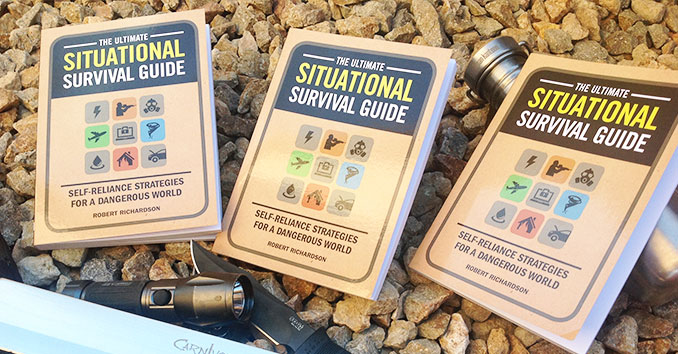
The Ultimate Situational Survival Guide: I wrote this book to give people a real-world look at the threats that are out there and a solid plan to deal with them. Quite frankly, I was sick of seeing a bunch of wilderness survival manuals being sold as actual advice for people in the real world. The Ultimate Situational Survival Guide takes everything I know about prepping and preparedness planning and condenses it into an easy to follow guide that can be used by anyone as a real SHTF Survival Plan.
From surviving natural disasters, man-made disasters and disease outbreaks to essential tactics and step-by-step instructions for surviving urban disasters, crime, violence and terrorist attacks, readers will learn the self-reliance strategies they need to survive in just about any real-world situation.
One More Resource That CAN Help!
Everything in this article — the financial prep, the localized disaster planning, the threat assessment, the skills and supplies you actually need — took years to pull together from real-world experience, research, and frankly a lot of trial and error. We put all of it into one place so you don’t have to piece it together on your own.
The OFFGRID Survival Family Preparedness Manual is the guide we wish existed when we first started taking this seriously.
It’s written for real families in the real world — not for fantasy preppers imagining movie-style collapse scenarios. It covers the personal and localized disasters that are actually most likely to hit you, the financial preparedness steps that most prep guides skip entirely, the specific supplies and skills that matter versus the ones the gear industry wants you to buy, and a step-by-step planning framework the whole family can follow.
If you’re done reading articles and ready to have an actual plan sitting on your shelf — physical, printable, and yours to keep — this is where that starts.
Get the Family Preparedness Manual →
The gap between “thinking about it” and “actually prepared” is a plan. Don’t let another crisis remind you that you still haven’t made one.
