
Survival should never rely on luck, and hope is not a strategy. Owning the right gear (and knowing how to use it) helps keep you alive during a crisis scenario. Failing to cover all the angles can lead to disastrous consequences. Survival situations are conquered before disaster strikes.
Remember the 5 P’s: Proper Preparation Prevents Poor Performance.
Crises don’t come with a warning. When the going gets tough, you must be able to react with both the correct gear and with an instilled sense of confidence rooted in knowledge. The most critical survival tool is between your ears.
A comprehensive survival kit must cover the five pillars of survival: water, shelter, fire, food, and first aid. Missing just one of these core elements can mean the difference between life and death.
Furthermore, redundancy is vital: Two is one, and one is none. Own backups. With that said, the more you know, the less you carry. A well-stocked kit is essential, but there are seasoned survivalists who can weather most storms with minimal equipment.
In this guide, we’re going to explain the building blocks of a survival kit. However, this is just a starting point. Further research and real-world experience will empower you to add and subtract components and put together a customized kit optimized for your unique needs and skills.
The Rule of Threes
Before we get into the nuts and bolts, it’s important that you understand why catering your survival kit to the five pillars of survival is so crucial.
In the survival community, we live by “The Rule of Threes.” This framework highlights the importance for full coverage in your kit.
- 3 Minutes Without Oxygen: The brain and vital organs need oxygen within three minutes. A first-aid kit can help stop arterial bleeding so you can breathe.
- 3 Hours Without Shelter: In extreme conditions, heat stroke or hypothermia can kill more rapidly than dehydration. Shelter and fire are top priorities.
- 3 Days Without Water: Dehydration debilitates the body and mind, and eventually leads to death. You must have a way to access drinkable water as quickly as possible.
- 3 Weeks Without Food: While the body is surprisingly resilient and able to subsist on stored fat and calories, long-term crises demand that you find a food source.
Of course, there are countless variables that can affect these time frames. The Rule of Threes is helpful for prioritizing your needs, but it’s not a guarantee by any means.
Pillar 1: Water
https://www.pexels.com/photo/man-putting-hands-in-clear-water-of-river-5875932
Dehydration is the silent killer. It’s not just the lack of water that’s devastating. Long before organs start failing, dehydration increases your vulnerability by reducing your physical performance and cognitive function.
Water is heavy. Carrying an adequate supply isn’t always possible (although your home survival kit should include an ample supply of clean, sealed water). In the wild, you’re going to need gear that lets you collect, purify, and store natural water sources.
Water Collection
- Your kit should include at least one durable, single-wall stainless steel canteen or water bottle. Stainless steel is a great option because it allows you to boil natural water over an open flame. Additionally, you can use a bottle filled with hot water for warmth in your sleeping bag.
- Aluminum foil makes a great backup, as it’s easy to carry and can be used to make makeshift containers for collecting rainwater and dew.
Water Purification
- Don’t rely on a single water treatment method. Your kit should include more than one way to treat water for harmful microorganisms, such as portable water filters, purification tablets, or equipment for boiling. Keep in mind that these methods may not make water contaminated with fuel, toxic chemicals, or radioactive materials safe to drink. If you suspect chemical or radioactive contamination, find another water source.
Water Storage
- Collapsible, puncture-resistant water reservoirs can be stored flat in your backpack.
Ultimately, these tools are only useful if you’re able to find water in the first place. Check our guide to Water Procurement and Treatment to learn how to locate water and use your gear to make it safe to consume.
Pillar 2: Shelter
https://www.pexels.com/photo/rough-shelter-in-forest-8044987
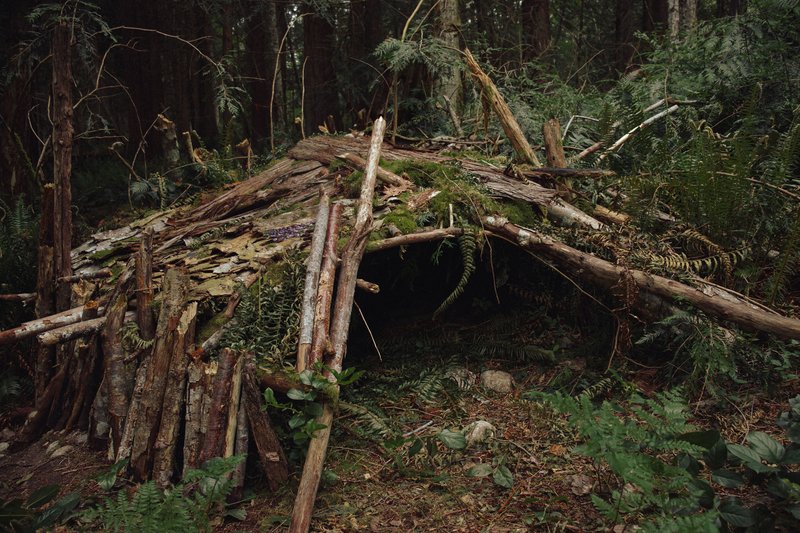
In an outdoor survival situation, exposure to the elements, wildlife, and/or extreme temperatures is often more dangerous than a lack of resources, including water. Depending on the environment, one bad night can be your last.
There are bushcrafters who can build a comfortable shelter with little more than a pocket knife and whatever natural resources are available. While hand tools can be helpful, most folks are better off owning a portable shelter of some sort, or at least materials to quickly build one.
A tent can be a valuable addition to your kit, but traditional camping tents aren’t always suitable for harsh environments. Furthermore, they can be difficult to carry. Let’s explore some other shelter solutions.
Tarps and Cordage
- You can do a lot with a 10’ x 10’ (or larger) lightweight, ripstop nylon tarp and 50+ feet of mil-spec paracord, especially if there are trees or other tall objects in the vicinity.
Space Blankets and Bivies
- Sleeping bags aren’t always practical. When you’re on the move, you need lightweight sleeping accommodations. A high-quality Mylar space blanket and/or a sack-style bivy act as barriers that reduce body heat loss and protect you from the elements while you try to get some rest.
Portable Tools
- If you’re unable to access shelter materials, you’ll need to get crafty. A fixed-blade knife, folding saw, and small hatchet can be used to turn your environment into a makeshift shelter.
When planning your shelter, keep in mind that ground insulation can be more critical than overhead cover, as earth rapidly saps away body heat. In cold conditions, insulate yourself from the ground with a sleeping pad or other barrier.
In emergency situations, sometimes you have to work with what you have. Check out this video:
Pillar 3: Fire
https://www.pexels.com/photo/burning-sticks-beside-rocks-168008
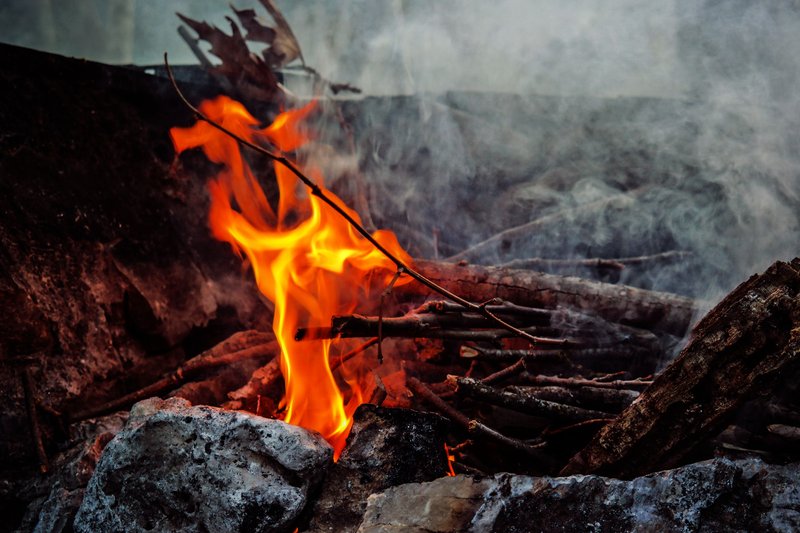
Fire isn’t only for keeping you warm. Even in pleasant temperatures, you need fire to purify water, cook food, help deter predators, and signal rescue crews.
Don’t overlook fire’s psychological benefits, either. There’s a big difference between huddling around a fire and sitting in darkness. Being able to create a fire at will is a massive morale booster.
Again, redundancy is key. Matches can get wet, and lighters eventually run out of fluid. While there’s nothing wrong with having them on hand, you should have at least three other dependable fire starters.
Primary Ignition: Ferro Rod
- A high-quality ferro rod belongs in every survival kit. Even when soaking wet, a ferro rod can throw scorching sparks that can easily ignite a myriad of materials found in the wild.
Secondary Ignition: Storm Match Kit
- Weather-resistant matches stored in a waterproof case give you instant access to flames.
Tertiary Ignition: Piezoelectric Lighter
- A pocket-sized piezoelectric lighter generates reliable high-voltage electric sparks that can be used to start a fire. They don’t need batteries or flint, as they use mechanical kinetic energy.
Backup Ignition: Foldable Magnifying Glass
- A small, foldable magnifying glass can be used to harness the sun’s rays.
In addition to an ignition pathway, you’re going to need fuel. While leaves, twigs, kindling, and logs are the obvious choices, they’re not always available.
Your kit should include reliable accelerants capable of igniting even in inclement weather conditions. Fatwood shavings, waxed cardboard tinder tabs, and petroleum jelly-soaked cotton balls are all great options. Again, the more options you have on hand, the better.
If possible, your kit should include tools for processing natural accelerants. The aforementioned knife, saw, and hatchet will make processing wood significantly easier than attempting to break it down by hand.
Pillar 4: Food

https://www.pexels.com/photo/close-up-photo-of-chocolate-with-nuts-13111782
While food isn’t the highest priority, finding a reliable source of sustenance should still be top of mind while you get your urgent basics in place. Ideally, you’ll be rescued before a lack of food becomes a problem, but that’s not guaranteed. Hope for the best and plan for the worst.
Your kit should include non-perishable, lightweight, high-calorie-density foods that don’t need to be prepared. Every prepper and survivalist has their own preferences, and your food stash will depend heavily on whether it’s for hunkering down at the homestead or bringing on the go.
Assuming you’re going to be on the move, here are some portable food options to keep in your pack:
- Temperature-resistant, non-thirst-provoking caloric bars
- Beef jerky
- Nuts and nut butter packets
- Dried fruit
- Trail mix
- Military-grade MREs (Meals Ready-to-Eat)
- Freeze-dried foods and meals
- Energy bars
- Granola bars
- Tinned fish/meat
- Hard cheeses
Of course, you might not be able to carry food, and your supply will eventually run out in long-term survival situations. When push comes to shove, if you don’t have the right gear on hand, you might need to deploy rudimentary fishing, trapping, and hunting strategies.
Here are the core basics for basic, compact kits:
Fishing
- Monofilament line
- Assorted hooks
- Split-shot sinkers
- Artificial lures
Hunting
- Slingshot/surgical tubing
- Fixed-blade knife
- Broadheads/arrow points (with twine for making a spear)
Trapping
- Snare wire
- Braided cordage
- Multi-tool
Foraging for wild edibles can keep you alive, but it’s more likely to kill you if you don’t know what you’re doing. No matter how tempting those berries might be, don’t eat them unless you’re 100% positive they’re safe. When in doubt, leave it out.
With that said, a field guide to wild edibles can be extremely helpful. You might be surprised by how much viable food is out there in the wilderness. The key is knowing what to pick and what makes you sick.
Food storage is a whole different beast. There are countless solutions depending on whether you’re storing food at home or in the wild. Check our guides on Food Storage.
Pillar 5: First Aid
https://unsplash.com/photos/first-aid-kit-contents-with-bandages-and-medical-supplies-nGfxoclUgSI
Accidents happen, especially when you’re weary, dehydrated, hungry, and stressed out. Furthermore, the risk of injury is magnified substantially when you’re in an unfamiliar environment.
All too often, folks forget about the need for first-aid supplies when stocking up on survival gear and equipment. Even a minor injury can be devastating if left untreated. Not only can infection set in, but being debilitated makes it impossible to focus on the other four pillars of survival.
The right first-aid kit depends on your situation. The Red Cross has a complete list of the supplies that belong in a well-stocked first-aid kit for a family of four. That’s a great starting point for a basic home kit; however, it might not be practical for carrying in your bug-out bag.
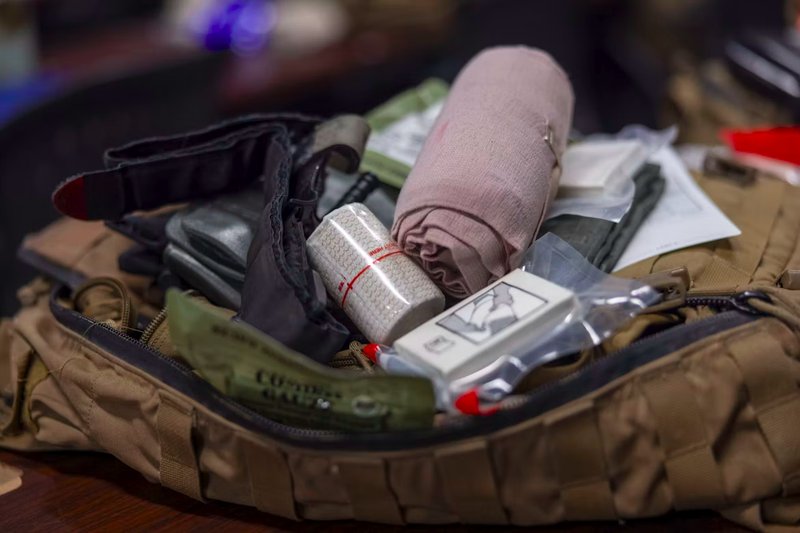
Here are the core components that belong in a portable first-aid kit for survival situations:
Tweezers and Trauma Shears
- Tweezers are necessary for precision work, such as removing splinters, ticks, stingers, glass shards, and so on. Heavy-duty shears can be used to cut and remove clothes and gear.
CAT or SOFTT-W Tourniquet
- When every second is critical, you need to be able to stop heavy bleeding as quickly and efficiently as possible.
Pressure Bandages
- Applying immediate, steady, and direct pressure to wounds with severe bleeding is crucial. Again, every second counts.
Sterile Gauze Rolls
- Gauze can be used to rapidly pack deep lacerations or puncture wounds.
Medical Tape
- Heavy-duty, high-strength, waterproof medical tape is endlessly useful for many applications, not just fastening dressings. Beyond first aid, it can be used for makeshift gear repairs and even building shelters.
Medications and Antiseptics
- Your kit should include backups of your essential medications, as well as pain and fever relievers, antihistamines, and anti-diarrheal tablets. It should also have triple-antibiotic ointment, burn gel, and iodine/alcohol prep pads.
There’s so much to learn about survival first aid. Our Medical and Health Guides are fantastic resources.
Packing for Fears vs. Packing for Needs
Veteran survivalists focus on high-probability threats. As you build your survival kit, try not to pack based on your biggest worries. Instead, be pragmatic and think about realistic situations that could arise. In other words, be ready for hurricanes, not extraterrestrial invasions!
We’ve covered a lot of ground here, and there’s still so much left unsaid. The simple truth is that it’s impossible to be completely ready for any and every situation. A well-stocked kit is essential, but learning and planning must be part of your overarching survival strategy.
Keep reading the rest of the site for more advice. We’re proud to offer a virtual library packed with in-depth, expert information on prepping and survival. Be safe out there.
